Advanced Occlusal Splint Therapy - Hands-on - 5th of Feb 2027 - Copenhagen
Friday 5th of Feb 2027 - 8.30-17.30
Radisson Collection Royal Hotel
Hammerichsgade 1
1611 Copenhagen
Denmark
Course price
Before 8th of Oct:
6.995 DKK / 935 €
DentaNet Members save 10% on the fee
Course language
English
Course difficulty
Advanced
Course rating
New Course
what did you think of the course overall?
New Course
To which extent would you recommend this course to a colleague?
About the course
Advanced Occlusal Splint Therapy
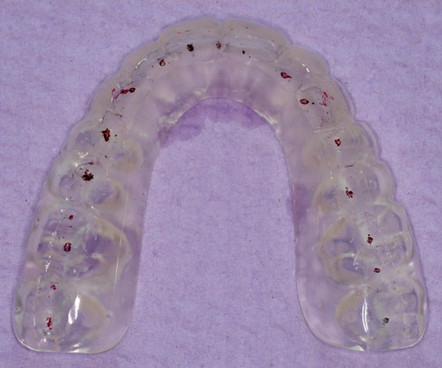
Occlusal splints have long been the mainstay in the treatment of a variety of disorders including TMD, facial pain, tooth wear, bruxism and clenching. Success in occlusal splint therapy relies heavily on the ability of the dentist to understand and implement specific anatomical, neurophysiological and occlusal concepts into the design and adjustment of the splint.
The fully developed occlusal splint may also serve as a key diagnostic tool for assessing and treating malocclusion, underdeveloped jaw structure and airway problems. This is a full day of lecture and hands-on with a maximum of 20 participants.

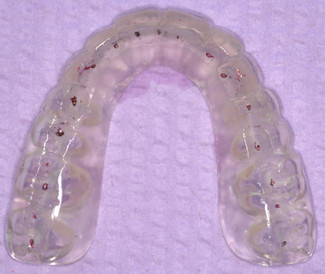

In this course you will learn to:
Understand the indications for occlusal splint therapy
Understand the occlusal, neurophysiological and structural connections that make occlusal splints essential tools in TMD treatment, preventive dentistry and oral rehabilitation
Develop an occlusal splint occlusion that normalises the patient's head posture and allows them to bite comfortably in their normal range of jaw and head postures
Theory
Mechanoreception - each tooth contact represents a stream of sensory information, and thick articulating paper can create misleading information. Occlusal interferences create competing sensory information that the CNS must process, resulting in slower excursions and destructive occlusion. Steep, protective anterior guidance is ideal and more effective than group function when posture and passive muscle tone are incorporated into the splint adjustment process.
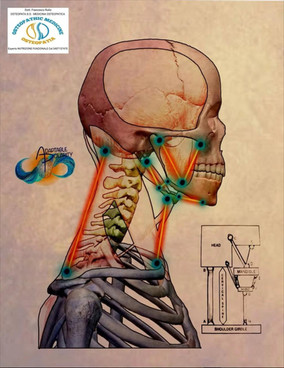
Fascia, tensegrity and Human Resting Myofascial Tone (HRMT) - the importance of fascia, tensegrity and HRMT in self-centering the TMJs and AOJs into CR at a normalised head posture, how occlusal interferences generate active muscle tone that displaces the jaws and teeth and causes traumatic occlusion, and how effective steep anterior guidance prevents it.
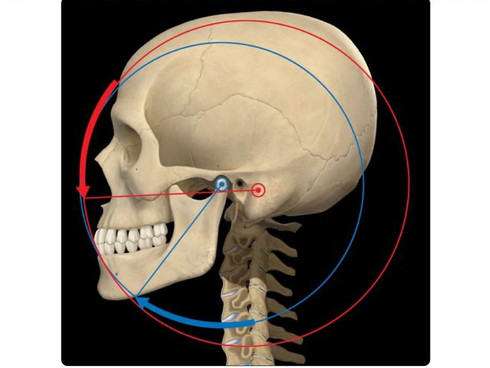
AOJ-TMJ interaction - how head posture changes the position of the mandibular condyle in the glenoid fossa and thereby changes the occlusion, how to adjust an occlusal splint to the patient's functional range of jaw, head and neck postures, and why occlusal splints fail when centric relation tooth contacts are adjusted at a single head posture only.


Hands-on
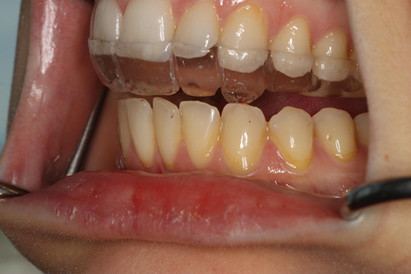
Anterior jig adjustment - how to equilibrate the jig so that mandibular tooth contact is perpendicular to the arc of closure of the labial incisal edge of a mandibular incisor in centric relation, creating the desired vertical dimension while observing the patient's normalised head posture, and using the jig to demonstrate facial and jaw muscle relaxation and build patient confidence in the splint adjustment process.

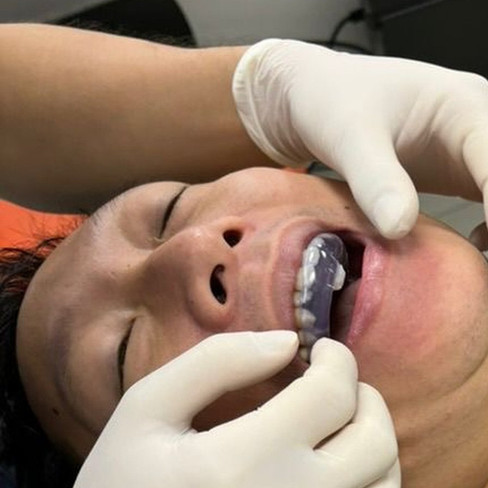

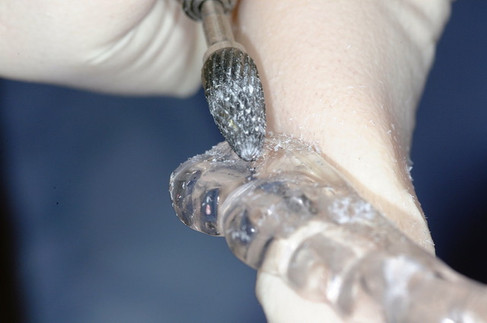
Splint adjustment process - how to temporarily convert a new splint into an anterior jig to re-find the patient's normalised head posture, how to progressively build posterior occlusion into the splint without losing that posture, and why the splint must be adjusted at multiple head postures.
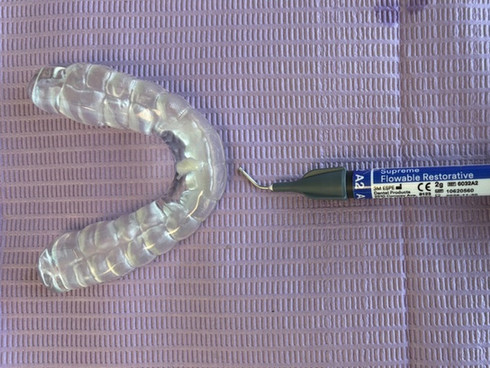
Splint finalization process - eliminating non-working side and group function interferences on the splint, adding and adjusting anterior guide ramps in harmony with the patient's passive myofascial muscle tone, and thinning the labial and lingual flanges to stay within the neutral zone and prevent tongue, cheek and lip interferences from causing muscle tension.


Course programme
8.00 Light Breakfast / Registration
8.30 Course part 1
10.30 Break
11.00 Course part 2
12.30 Lunch
13.30 Course part 3
15.00 Break
15.30 Course part 4
17.30 End of Day
Course prices
Delegate fee
Advanced Occlusal Splint Therapy - Hands-on - 5th of Feb 2027 - Copenhagen
Before 8th of Oct: 6.995 DKK / 935 €
Before 1st of Dec: 7.995 DKK / 1.065 €
After 1st of Dec: 8.995 DKK / 1.200 €
DentaNet Members save 10% on the fee
DentaNet Members get 10% discount on the delegate fee
-
-
-
Radisson Collection Royal Hotel
Single room
1.795 DKK
-
1.995 DKK
Thursday night
Friday night
Saturday night
No hotel room - thank you
0 DKK / 0 €
Course lecturer
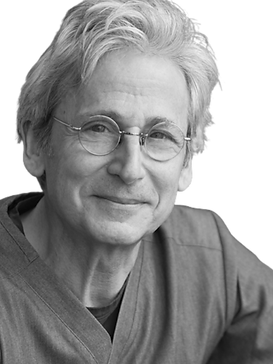
Dr. Jay H. Levy
Dr. Levy received a Bachelor of Science degree in Mechanical Engineering from Union College and his Doctor of Dental Surgery degree from New York University, where he went on to serve as an Assistant Professor in the Department of Comprehensive Care and Applied Practice Administration and Behavioral Sciences.
He maintained a private dental practice in New York City for 17 years. He completed a two-year postdoctoral fellowship in neurophysiology at the Oregon Health and Science University (OHSU) and received a Certificate of Training in Human Investigations from the School of Medicine at OHSU.
Dr. Levy's sensory-physiology research program explored the mechanosensory mechanisms that underlay mastication. He served on the faculty at OHSU as an Assistant Professor in the Department of Biological Structure and Function, Department of Integrative Biosciences, Department of Prosthodontics and the Department of Community Dentistry.
He has published scientific papers and textbook chapters and is a nationally and internationally recognized speaker who regularly presents CE courses focusing on the physiology, anatomy, biomechanics and treatment of occlusion. Dr. Levy maintains a private dental practice in Portland, Oregon, focusing on occlusion, restorative dentistry, TMD and airway disorders.