

Dr. Ian Buckle - Occlusion & Smile Design: Predictable Aesthetics That Last - 28th-29th of May - Oslo
Fri 28th of May 2027 9.00-17.00 - Sat 29th of May 2027 9.00-15.00
Radisson Blu Plaza Hotel
Sonja Henies Plass 3
0185 Oslo
Norway
Course price
Before 1st of Feb:
10.995 NOK / 1.030 € / 7.595 DKK
DentaNet Members save 10% on the fee
Young Dentists graduated between 2022-2026 gets 25% discount
Course language
English
Course difficulty
Medium
Course rating
5.78 out of 6 points
what did you think of the course overall?
5.75 out of 6 points
To which extent would you recommend this course to a colleague?
About the course
Dr. Ian Buckle: Occlusion & Smile Design: Predictable Aesthetics That Last
1.5-Day Clinical & Digital Course
From Smile Design to Occlusal Stability — Creating Aesthetic Dentistry That Functions, Fits and Lasts
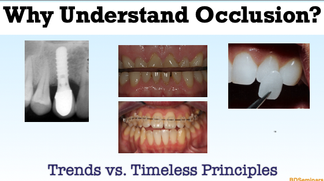
This course is about creating appropriate smiles that function within the patient, respect the biology and have a realistic chance of lasting. And often a beautiful aesthetic outcome follows naturally.
It takes the principles that underpin Ian Buckle's Essentials education and updates them for a new generation of dentistry — combining clinical judgement, occlusion, aesthetics and digital technology into one very predictable workflow:
Predictable aesthetic dentistry begins with understanding the patient, diagnosing the underlying problems and determining how the teeth, occlusion, function and facial aesthetics should work together.
The course is designed to give general and private practitioners a simple, repeatable and clinically practical workflow for assessing patients, designing aesthetic treatment and delivering restorations that are both beautiful and biologically and functionally appropriate.
Diagnose before you design.
Design before you prepare.
Test before you commit.
And make aesthetics work within function.
The central question:
How do we create aesthetic dentistry that still looks good, feels good and functions predictably years later?
Ian will demonstrate how examination, diagnosis, occlusal principles, facial aesthetics, smile design, tooth position, restorative design and digital technology can be brought together into one coherent approach.
THE 1.5-DAY PROGRAMME
DAY 1 – From Diagnosis to Treatment Planning
Examination → Diagnosis → Occlusion → Smile Design → Treatment Plan
Morning
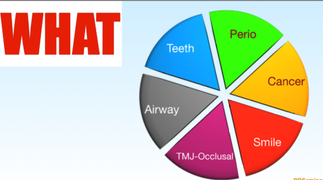
The predictable aesthetic patient
What have we learned from the Essentials courses?
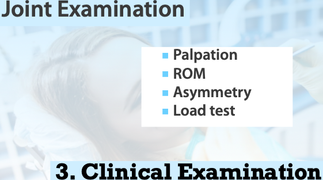
Comprehensive examination
Diagnosis and risk assessment
Understanding tooth surface loss
Recognising parafunction
Occlusal examination
Facial analysis
Smile analysis
Establishing the patient's objectives



Afternoon
Occlusion and aesthetic dentistry
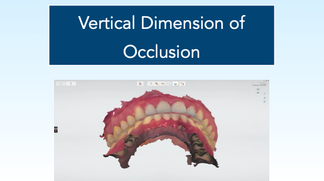
VDO and the worn dentition
Conformative versus reorganised treatment
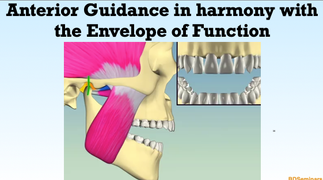
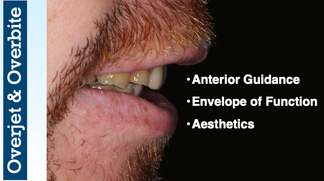
Anterior guidance and functional aesthetics
Smile design principles
Digital records
Digital photography
Intraoral scanning
Digital smile design
Virtual wax-up and mock-up
Building the treatment plan around the final result



Case-based learning
Real cases will be used to demonstrate how apparently straightforward aesthetic problems can become complex — and how a structured diagnostic process makes treatment more predictable.
DAY 2 — DIGITAL WORKFLOW & CLINICAL IMPLEMENTATION
Design → Test → Prepare → Communicate → Deliver
The second day will focus on turning the treatment plan into a predictable clinical workflow.
Topics include:
Digital treatment planning
Designing the ideal result
AI-assisted restorative design
Digital wax-ups
3D printed models
Printed mock-ups
Provisionals as a diagnostic tool
Guided tooth preparation
Laboratory communication
Transferring the digital design to the patient
Occlusal verification
Final restorative design
Delivery and finishing
Maintaining the result
The course will conclude with a complete digital-to-clinical case, demonstrating how the different components fit together.




WHO IS THE COURSE FOR?
This course is designed for dentists who have already developed a foundation in restorative dentistry and want to become more confident in aesthetic treatment planning and predictable restorative execution.
It is particularly relevant to dentists who have previously attended Ian Buckle's Essentials courses and/or Dawson-based education and want to understand how those principles have evolved in the modern digital environment.
It is equally suitable for dentists who want a practical introduction to integrating:
Occlusion + Aesthetics + Digital Dentistry + Restorative Planning
into their everyday practice.
THE TAKE-HOME WORKFLOW
Delegates will leave with a simple framework that can be applied to everyday aesthetic cases:
01 — EXAMINE
Understand the patient, their objectives and their risk factors.
02 — DIAGNOSE
Identify the biological, functional and aesthetic problems.
03 — DESIGN
Determine the desired aesthetic and functional outcome.
04 — DIGITALISE
Capture and integrate the information digitally.
05 — TEST
Use mock-ups, provisionals and digital technology to validate the plan.
06 — PREPARE
Prepare teeth according to the approved restorative design.
07 — DELIVER
Transfer the planned aesthetics and occlusion accurately to the definitive restorations.
08 — MAINTAIN
Protect the result and manage the factors that could compromise longevity.
In-depth: What You Will Learn
For those who want the full detail: below is an extensive, in-depth description of the course content. You do not need to read it to sign up.
1. Start with the Patient — Not the Teeth
A predictable aesthetic result begins with a comprehensive assessment. We will revisit the Essentials approach to:
Patient interview and identification of the real treatment objectives
Extraoral and intraoral examination, and facial analysis
Dental and periodontal assessment
Tooth surface loss and the worn dentition
Parafunction and functional risk, airway and other relevant risk factors
Assessing the existing occlusion
Recognising when apparently simple aesthetic cases are actually complex
The emphasis is on developing a diagnosis before developing a design.
2. Occlusion as the Foundation of Aesthetic Dentistry
Rather than treating aesthetics and occlusion as separate disciplines, the course explores how they influence one another. You will revisit practical principles including:
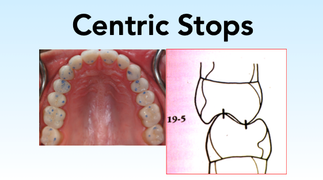
Centric relation and maximum intercuspation
Anterior guidance and posterior disclusion
Envelope of function and occlusal stability
Vertical dimension — and managing increased vertical dimension predictably
Tooth position and function
Conformative versus reorganised approaches: when to preserve the existing occlusion, and when and how to change it
The objective is not to make every patient an "occlusal case". It is to help you recognise when occlusion matters — and what to do about it.
3. Smile Design in the Digital Era
Digital dentistry has transformed the way we can analyse, communicate and test aesthetic treatment. The course will demonstrate a modern workflow incorporating:
Digital records: digital photography and intraoral scanning
Facial and dental analysis, and digital smile design
Virtual wax-ups and digital mock-ups
AI-assisted crown and tooth design, and 3D printing
Digital communication with the laboratory
Predictable provisionalisation and transfer of the approved design into definitive restorations
The key principle is simple: Design it. Test it. Approve it. Then make it.
4. From Digital Design to the Mouth
One of the biggest advantages of digital dentistry is the ability to test treatment before committing to irreversible dentistry. We will explore how to use digital workflows to:
Visualise proposed changes and assess tooth proportions and smile dynamics
Evaluate changes in tooth length and position, and test changes in vertical dimension
Create predictable mock-ups
Communicate clearly with patients and accurately with technicians
Transfer digital information to the clinical environment
Reduce surprises during preparation and fit
This creates a diagnostic-driven restorative workflow, rather than simply using digital technology to make the same dentistry faster.
5. Predictable Aesthetic Restorative Planning
The course will develop a systematic approach to deciding:
What needs to be treated — and what does not?
How much tooth preparation is actually necessary, and which teeth should be included?
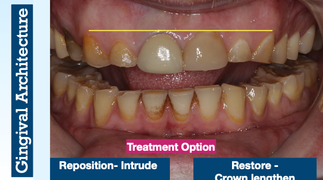
Where should the new incisal edges be?
How should anterior guidance be established and posterior contacts managed?
When is additive dentistry possible, when is orthodontics appropriate, and when should treatment be interdisciplinary?
How can restorations be designed to work within the patient's functional environment?
The aim is to move from "What restoration should I place?" to "What is the correct biological, functional and aesthetic treatment for this patient?"
6. Making Aesthetics Last
A beautiful result is only successful if it remains healthy and functional. We will therefore consider the factors that influence longevity:
Occlusal loading, parafunction and tooth position
Material selection, preparation design and adhesive principles
Functional contacts and anterior guidance
Patient-specific risk
Maintenance, protection of restorations, and appropriate review and monitoring
Communication with the laboratory
Particular attention will be given to recognising patients who are high risk for restorative failure before treatment begins.
The course is held in English by Dr. Ian Buckle.
Course programme
Friday 28th of May 2027
8.30 Registration and light breakfast
9.00 Session 1: The predictable aesthetic patient · What have we learned from the Essentials courses? · Comprehensive examination · Diagnosis and risk assessment · Understanding tooth surface loss
10.30 Break
11.00 Session 2: Recognising parafunction · Occlusal examination · Facial analysis · Smile analysis · Establishing the patient's objectives
12.30 Lunch
13.30 Session 3: Occlusion and aesthetic dentistry · VDO and the worn dentition · Conformative versus reorganised treatment · Anterior guidance and functional aesthetics · Smile design principles
15.00 Break
15.30 Session 4: Digital records · Digital photography · Intraoral scanning · Digital smile design · Virtual wax-up and mock-up · Building the treatment plan around the final result
17.00 End of day
Evening: Networking dinner with bar at The Top Restaurant, Radisson Blu Plaza
Saturday 29th of May 2027
8.30 Registration and light breakfast
9.00 Session 5: Digital treatment planning · Designing the ideal result · AI-assisted restorative design · Digital wax-ups · 3D printed models
10.30 Break
11.00 Session 6: Printed mock-ups · Provisionals as a diagnostic tool · Guided tooth preparation · Laboratory communication · Transferring the digital design to the patient
12.30 Lunch
13.30 Session 7: Occlusal verification · Final restorative design · Delivery and finishing · Maintaining the result · Complete digital-to-clinical case
15.00 End of course
Course prices
Delegate fee
Dr. Ian Buckle - Occlusion & Smile Design: Predictable Aesthetics That Last - 28th-29th of May - Oslo
Before 1st of Feb: 10.995 NOK / 1.030 € / 7.595 DKK
Before 1st of April: 12.995 NOK / 1.215 € / 8.995 DKK
After 1st of April: 14.995 NOK / 1.400 € / 10.395 DKK
DentaNet Members save 10% on the fee
Young Dentists graduated between 2022-2026 gets 25% discount
DentaNet Members get 10% discount on the delegate fee
The Top Restaurant, Radisson Blu Plaza
Networking dinner with bar, Friday evening
1.395 NOK / 130 € / 895 DKK
Radisson Blu Plaza Hotel
Single room
1.950 NOK / 180 € pr. night
Double room
2.150 NOK / 200 € pr. night
Thursday night
Friday night
Saturday night
No hotel room - thank you
0 DKK / 0 €
Course lecturer
Dr. Ian Buckle
Dr. Ian Buckle qualified from Liverpool University in 1985.
He has over 20 years of experience in general practice both in the private sector and with the National Health Service. As a member of the American Academy of Cosmetic Dentistry (AACD), British Academy of Cosmetic Dentistry (BACD), British Dental Association (BDA) and Association of Dental Implantology (ADI), he completes over 100 hours of postgraduate education every year. Formerly The Dawson Academy’s Clinical Director, Dr. Ian Buckle has lectured nationally and internationally on functional and aesthetic dentistry.
Dr. Ian Buckle teaches the Essential Course Hands-on series, runs seminars and study clubs and provides continuing education to dental professionals, more recently across Europe.
He spends approximately two-thirds of his time in practice and the other third as an educator. He believes this balance keeps him on the leading edge of both disciplines.
